Kerman Motor: The Rise of a Private Automaker Against the Odds
In recent years, Iran’s automotive industry has faced serious challenges, including international sanctions, currency volatility, supply chain disruptions, government-imposed price controls, and declining consumer purchasing power. Despite these pressures, production growth among private automakers—most notably Kerman Motor—has emerged as a noteworthy development.
Considering the length of time Kerman Motor has operated as a private-sector automaker and the impact it has had on its regional geography, the company can be regarded as a successful model under harsh industrial conditions. In reality, Kerman Motor is not merely the story of an automaker’s growth, but rather a narrative of determination and transformation.
Resilience Amid Industry-Wide Challenges
Despite widespread difficulties across the sector, Kerman Motor has not only maintained its market share but, in certain periods, has outperformed the industry average, even rising to become Iran’s third-largest automaker.
According to official statistics from the Ministry of Industry, Mine and Trade (MIMT), Kerman Motor’s production exceeded 35,000 units in the first eight months of 2025 (1404), with a 28% month-on-month growth recorded between July and October. This performance stands out at a time when many automakers were experiencing production declines. The question, then, is what has enabled Kerman Motor to navigate these conditions successfully?
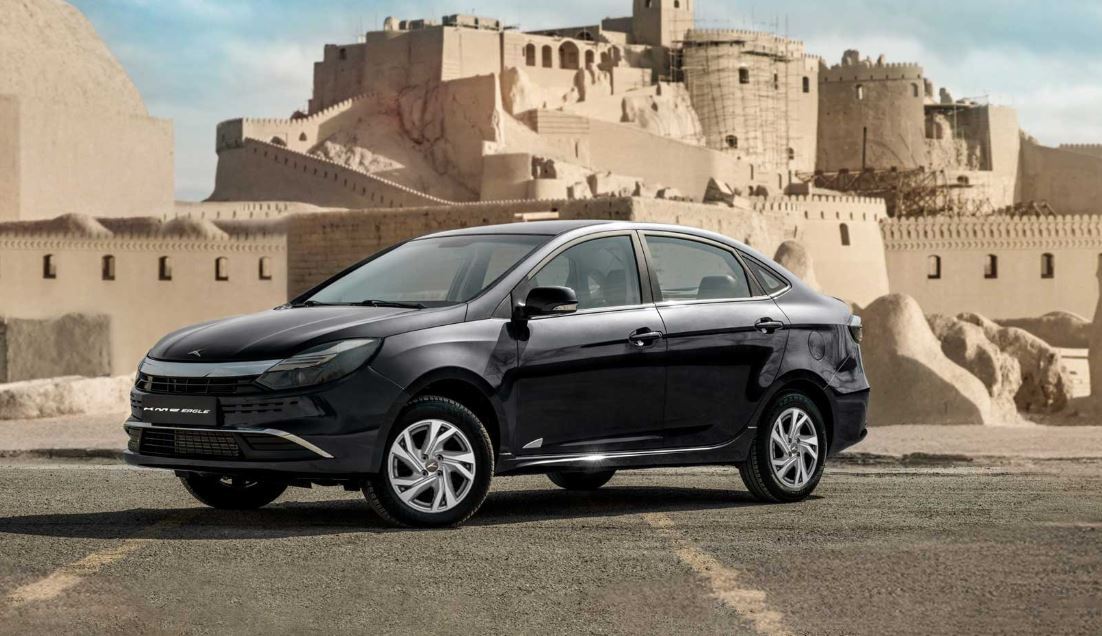
From Intermittent Assembly to Stable, Program-Oriented Production
In recent years, Kerman Motor has moved away from irregular, shipment-dependent CKD assembly toward structured annual and seasonal production planning. This shift has reduced downtime between production cycles and minimized sudden supply shocks, leading to higher line efficiency and lower overhead costs.
Smart Supply Chain Management Under Sanctions
The primary bottleneck in the automotive industry remains parts supply. Kerman Motor has mitigated this risk through supplier diversification and targeted localization of key components, including polymer parts, trim elements, powertrain systems, and body components. These strategies have been especially effective under sanctions, ensuring production continuity.
Product Portfolio Diversification: A Lever for Stability
By offering a mix of economical sedans, urban crossovers, and vehicles across multiple price segments, Kerman Motor has reduced dependence on any single model. Flexible production line planning has expanded the customer base, prevented inventory buildup, and maintained production stability in a market characterized by rapidly shifting consumer preferences.
Relative Alignment Between Factory and Market Prices
Although price controls also affect Kerman Motor, the gap between factory and market prices for its products has generally been smaller and more stable than that of major competitors. This has resulted in more genuine demand, lower accumulated losses, and a greater ability to sustain production.
A Lean and Agile Management Structure
As a private company, Kerman Motor benefits from faster decision-making, greater flexibility in revising plans, and rapid contract adjustments. In an industry where delays can bring production lines to a halt, this agility has become a critical competitive advantage.
Focus on a Healthy Production–Sales–Delivery Cycle
Kerman Motor has placed equal emphasis on timely sales and vehicle delivery, recognizing that currency fluctuations and declining purchasing power can erode customer confidence if delays occur. By shortening the gap between order registration and delivery, strengthening its after-sales service network, and avoiding vehicle accumulation in storage yards, the company has reinforced customer trust while improving cash flow to support ongoing production.
Future Readiness and Leveraging Positive Market Expectations
Amid speculation surrounding renewed foreign partnerships, the introduction of new technologies such as hybrid and electric vehicles, and potential policy shifts, Kerman Motor has been able to scale production more rapidly thanks to its prepared infrastructure. The development of the KMC domestic brand and innovative product plans have further supported this trajectory.
A Model for Private-Sector Success
Kerman Motor’s experience demonstrates that success in Iran’s automotive industry depends less on external factors and more on effective management, flexible strategies, and an agile business model. By maintaining production stability and securing an estimated 6% market share, the company has positioned itself as a role model for the private sector—one that could inspire broader transformation across the industry.
Sustaining this momentum, however, will require smart policymaking, including the removal of price controls and the establishment of long-term economic stability.